Efficient Kitchen Floor Cleaning Tips for Restaurants
- EC
- 1 day ago
- 4 min read
Maintaining a clean kitchen floor in a restaurant is more than just a matter of appearance. It’s a critical part of ensuring safety, hygiene, and compliance with health regulations. Floors in commercial kitchens face constant challenges - spills, grease buildup, heavy foot traffic, and frequent cleaning cycles. Efficient cleaning methods not only keep the kitchen looking professional but also extend the life of the flooring and reduce slip hazards.
In this post, we’ll explore practical and effective kitchen floor cleaning tips tailored for commercial kitchens. Whether you manage a busy restaurant in Belleville, Kingston, Trenton, or Cobourg, these insights will help you maintain spotless, safe floors with less effort.
Essential Kitchen Floor Cleaning Tips for Commercial Spaces
Keeping restaurant kitchen floors clean requires a consistent routine and the right techniques. Here are some essential tips to help you achieve efficient results:
Choose the Right Cleaning Tools
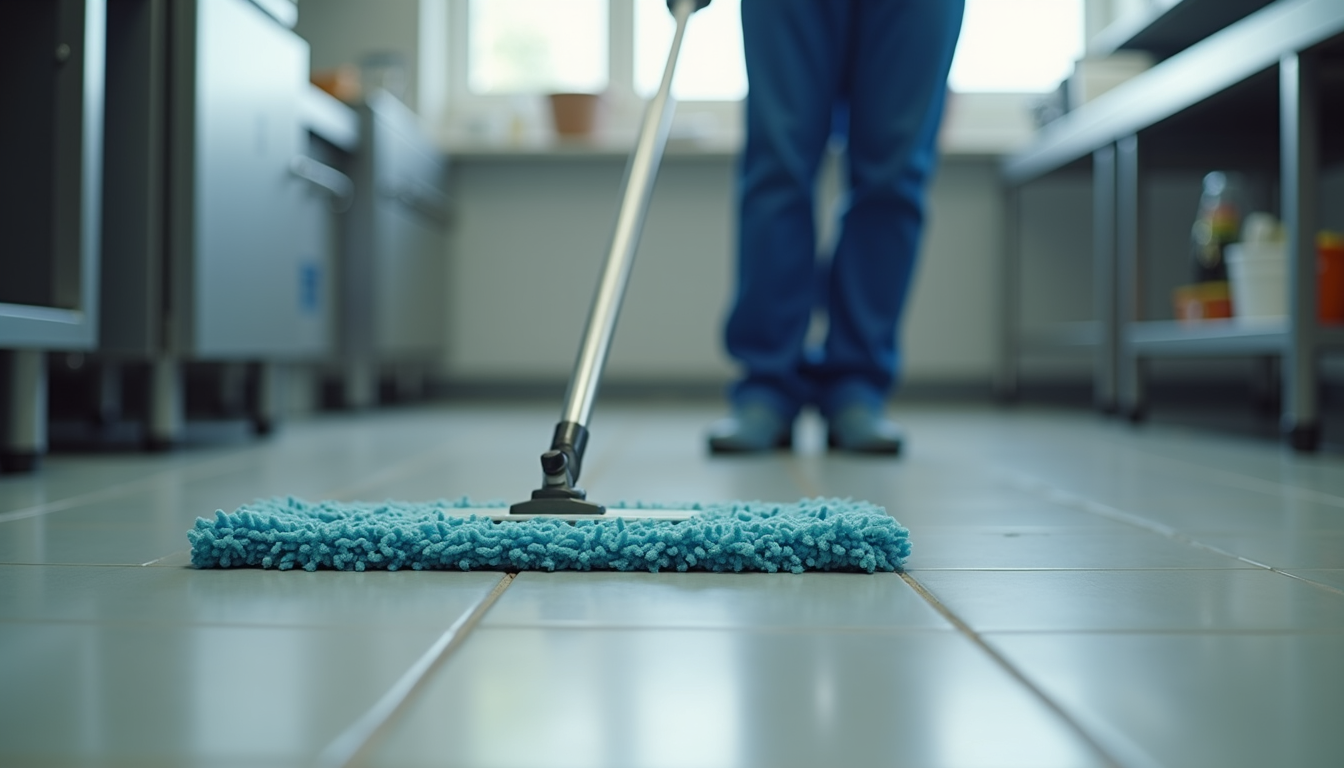
Use heavy-duty mops with microfiber heads or commercial-grade floor scrubbers. Microfiber traps dirt better and requires less water, which speeds up drying time. For stubborn grease, a floor scrubber with rotating brushes can save time and effort.
Use Appropriate Cleaning Solutions
Select degreasers and detergents designed for commercial kitchens. Avoid harsh chemicals that can damage floor surfaces or leave slippery residues. Always follow manufacturer guidelines for dilution and application.
Implement a Daily Cleaning Schedule
Clean spills immediately to prevent stains and slips. At the end of each shift, mop the floor thoroughly with warm water and detergent. Weekly deep cleaning should include scrubbing and rinsing to remove embedded dirt.
Focus on High-Traffic Areas
Entrances, cooking stations, and dishwashing zones accumulate the most grime. Pay extra attention to these spots with more frequent cleaning or spot treatments.
Dry Floors Quickly
Wet floors are a safety hazard. Use squeegees or wet vacuums to remove excess water after mopping. Ensure proper ventilation to speed up drying.
Regularly Inspect Floor Condition
Look for cracks, chips, or worn areas that can trap dirt or cause accidents. Repair or replace damaged sections promptly.

Choosing the Best Flooring Material for Easy Cleaning
The type of flooring in your kitchen greatly affects how easy it is to clean and maintain. Here are some common commercial kitchen floor materials and their cleaning considerations:
Quarry Tile
Durable and slip-resistant, quarry tile is a popular choice. It requires regular grout cleaning to prevent dirt buildup. Use a stiff brush and alkaline cleaners for grout maintenance.
Epoxy Flooring
Epoxy floors are seamless and resistant to stains and chemicals. They are easy to clean with mild detergents and mop water. However, they can be slippery when wet, so anti-slip additives may be necessary.
Vinyl Composition Tile (VCT)
VCT is cost-effective and easy to replace. It needs regular stripping and waxing to maintain its finish. Avoid excessive water to prevent tile lifting.
Concrete
Sealed concrete floors are tough and easy to clean. Use neutral pH cleaners to avoid damaging the sealant. Periodic resealing is important to maintain protection.
Selecting the right flooring material can reduce cleaning time and improve safety. Consider your kitchen’s specific needs and traffic levels when choosing or upgrading floors.
How much does deep floor cleaning cost?
Deep floor cleaning is an essential service that goes beyond daily mopping. It involves thorough scrubbing, stain removal, and sometimes sealing or polishing. The cost of deep floor cleaning varies depending on several factors:
Size of the Kitchen
Larger kitchens require more time and resources, increasing the cost.
Flooring Type
Some materials need specialized cleaning agents or equipment, which can affect pricing.
Condition of the Floor
Floors with heavy grease buildup or damage may require extra labor.
Frequency of Service
One-time deep cleaning might cost more per visit than regular scheduled cleanings.
On average, commercial deep floor cleaning can range from $0.50 to $2.00 per square foot. For a typical restaurant kitchen, this might translate to a few hundred dollars per session. Investing in regular deep cleaning helps prevent costly repairs and maintains a safe environment.
Best Practices for Maintaining Slip-Resistant Floors
Slips and falls are a major concern in restaurant kitchens. Maintaining slip-resistant floors is crucial for employee safety. Here are some best practices:
Use Anti-Slip Floor Treatments
Apply coatings or sealers designed to increase traction without compromising cleanliness.
Keep Floors Dry
Promptly clean spills and use mats in wet areas like dishwashing stations.
Regularly Clean Grease and Oil
Grease buildup reduces traction. Use degreasers and scrubbers to keep floors free of oily residues.
Train Staff on Safe Cleaning Procedures
Ensure cleaning staff understand how to clean without leaving slippery residues.
Install Proper Signage
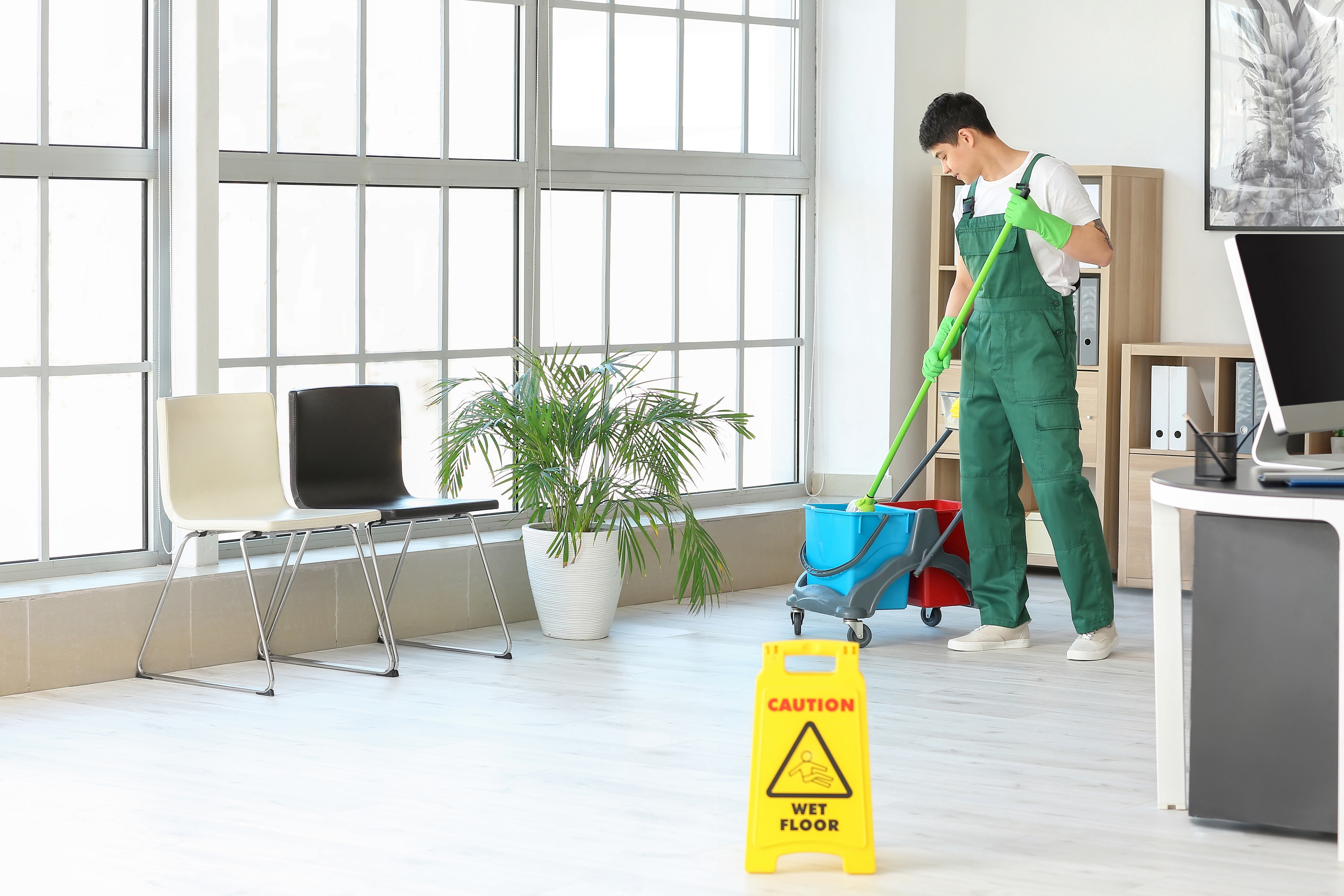
Use wet floor signs during and after cleaning to alert staff and prevent accidents.
By combining these practices, you can significantly reduce slip hazards and create a safer kitchen environment.

Scheduling Professional Cleaning Services for Optimal Results
While daily cleaning is essential, professional cleaning services provide a deeper level of care that keeps floors in top condition. Here’s why scheduling professional cleaning is beneficial:
Expertise and Equipment
Professionals use industrial-grade machines and specialized cleaning agents that deliver superior results.
Time and Labor Savings
Outsourcing deep cleaning frees up staff to focus on other tasks.
Customized Cleaning Plans
Professionals assess your kitchen’s needs and tailor services accordingly.
Compliance with Health Standards
Regular professional cleaning helps meet local health and safety regulations.
For businesses in Ontario, especially in Belleville, Kingston, Trenton, and Cobourg, partnering with a trusted cleaning company ensures your kitchen floors remain spotless and safe. You can learn more about restaurant kitchen floor cleaning services that cater specifically to commercial kitchens.
Keeping Your Kitchen Floors Spotless and Safe Every Day
Efficient kitchen floor cleaning is a continuous process that combines the right tools, materials, and routines. By following these kitchen floor cleaning tips, you can maintain a hygienic and safe environment that supports your restaurant’s success. Remember to:
Act quickly on spills and stains
Use appropriate cleaning products and equipment
Schedule regular deep cleanings
Prioritize slip resistance and floor maintenance
With consistent care, your kitchen floors will not only look great but also contribute to a safer workplace for everyone. Clean floors reflect a commitment to quality and professionalism that customers and staff alike will appreciate.


Comments